
 Facebook
 X
X
 Pinterest
 Copy Link
WHY IS MY HOME NOT SELLING?
WHY IS MY HOME NOT SELLING?

This is one of the hardest conversations sellers have to hear.
Because most homeowners believe if their home is not selling, it must be the market.
Most of the time, it’s not the market.
Right now in the Twin Cities, Lakeville, and Bloomington, I’m watching some homes sell in a day while others sit for weeks or months.
So what’s the difference?
Price and condition.
That’s it.
The homes that are selling quickly are:
- Clean
- Move-in ready
- Updated
- Properly priced
The homes sitting?
Dirty homes. Cluttered homes. Homes with obvious repairs. Homes priced too high for their condition.
And here’s the truth sellers don’t always want to hear.
Your home is not competing against your memories. It’s competing against every other listing buyers are seeing online.
Buyers today are comparing your home against dozens of others within seconds.
If your photos are weak, the condition is poor, or the price feels unrealistic,
buyers move on immediately.
I’m also seeing something else happen right now.
Some agents are intentionally underpricing homes to create bidding wars.
That has trained buyers to avoid homes priced too high because they assume they’ll have to overpay elsewhere.
If your home is overpriced, you may not even get showings.
And if you do get showings but no offers?
The market is telling you the price is wrong.
If offers are weak?
The market is still telling you the price is wrong.
Buyers will help a home find its real value.
Here’s another mistake sellers make.
They assume buyers will overlook problems and “fix things later.”
That is not today’s market.
Paint matters. Flooring matters. Landscaping matters. Lighting matters.
Presentation matters more than ever.
Especially in the $600,000 to $800,000 range where buyers become far more selective.
Now let’s talk about agents.
A lot of agents have become lazy.
They put a home on the MLS and hope it sells.
That is not enough anymore.
You need:
- Strong photography
- Video
- Social media exposure
- Google visibility
- AI visibility
- Strategic pricing
You need a complete marketing plan.
One of the first questions I ask sellers is this:
Do you want to list your home… or do you want to actually sell it?
Because those are two completely different mindsets.
I will never tell you what you want to hear.
I will tell you what you need to know.
If your home is not selling, the answer is almost always there if someone is willing to do the work and analyze it correctly.
That means:
- Reviewing sold homes
- Studying active competition
- Looking at pending sales
- Analyzing pricing strategy
- Reviewing the MLS setup
- Reviewing photos, videos, and online presentation
That’s how you solve the problem.
If your home isn’t selling in Lakeville, Bloomington, or anywhere in the Twin Cities and you want a real answer why,
call or text me directly at 952-994-7204

Related Articles
HOW LONG DOES IT TAKE TO BUY A HOUSE?
HOW LONG DOES IT TAKE TO BUY A HOUSE?

If you’re thinking about buying, this is the question everyone asks.
How long does it actually take?
The honest answer is simple.
It depends on how prepared you are.
I’ve had buyers find a home on the very first showing and get it under contract the same day.
I’ve also had buyers look at 25 or more homes before writing an offer.
The difference is not luck. It’s preparation.
Right now in the Twin Cities, the market moves fast.
In the right price range and location, you may have less than 24 hours to decide.
Multiple offers are common.
If you’re not ready, you miss the opportunity.
And that’s what stretches the timeline.
Not finding the home.
Losing it.
Here’s the biggest mistake buyers make.
They find a house first…
then try to figure everything else out.
That approach will cost you time and opportunities.
Before you ever walk into a home, you should already have:
A real estate agent
A local lender
A clear understanding of your numbers
The good news is this.
Pre-approvals can happen in just a few hours.
The right lenders move fast and are available when you need them.
But here’s where deals fall apart.
Buyers choose big online lenders or call centers.
That is a mistake.
You need a local lender who understands Minnesota and can actually get your deal to the finish line.
Once your offer is accepted, the typical closing timeline is:
30 to 45 days
That allows time for inspections, financing, and final approvals.
Most delays come from two things:
Inspectors not being scheduled quickly enough
Lenders not doing their job upfront
Now let’s talk about inspections.
Some buyers are being told to waive them.
That is a risky move.
There are better strategies.
You can write a strong offer without nitpicking small items, while still protecting yourself from major issues.
That’s how you stay competitive and smart.
Here’s the reality of today’s market.
It is forcing buyers to move faster.
You don’t have time to think about it for days.
The buyers who win are the ones who already know:
What they want
What they can afford
What they are willing to do to compete
The biggest delay I see?
Buyers who are not ready to act.
Waiting for the perfect time.
Trying to time the market.
That doesn’t work.
There is no perfect time.
If you’re in a position to buy, the advantage goes to the prepared.
If you want to buy faster and actually win in this market:
Get your team in place
Get fully approved
Know your numbers
That’s how you move with confidence.
If you want help getting set up the right way,
call or text me at 952-994-7204
Related Articles
How Do I Prepare My House for Sale in the Twin Cities MN
How Do I Prepare My House for Sale in the Twin Cities MN

When a seller asks me how to prepare their home for sale, the first thing I tell them is to clean and declutter. That is the most important step to get off on the right foot.
If you properly prepare your home, it will sell faster, stand out from the competition, and help you get more money for your property.
Make Your Home Feel Like a Model Home
Buyers do not want to walk into your home. They want to walk into their future home.
That means your house needs to feel clean, neutral, and easy to picture themselves living in.
Start with this:
• Neutral wall colors
• Minimal items on the walls
• Remove oversized furniture that makes rooms feel smaller
• Box up anything you are not using
The goal is simple. Less stuff. More space.
Especially in the kitchen. Clear off the countertops. Put away small appliances. Let buyers see the space, not your belongings.
Clean Like It Actually Matters
Most people think their home is clean. It is not.
You need a deep clean.
• Wipe down baseboards
• Clean corners and edges of flooring
• Scrub bathrooms and kitchens thoroughly
• Clean basement floors
• Wash the exterior if it is dirty from winter
• Remove spider webs and buildup
You are not just cleaning. You are removing distractions.
A clean home feels newer. And newer sells.
Declutter Everything
Clutter kills deals.
If you have too much stuff, buyers start focusing on your things instead of the home.
Pack it up early.
• Closets should look half full
• Countertops should be clear
• Storage areas should feel organized
If you are not using it, box it.
You are moving anyway. Start now.
Do Not Ignore Curb Appeal
First impressions happen before buyers even walk inside.
If the outside looks neglected, buyers assume the inside is the same.
Focus on the basics:
• Fresh mulch
• Trim bushes and trees
• Remove dead plants
• Cut down dead branches
• Put away hoses and tools
• Clean up toys and yard clutter
You want buyers to feel good before they even open the door.
Small Changes Make a Big Impact
You do not need to renovate your entire home.
Simple updates go a long way.
• Fresh paint
• Clean or refinish floors
• Updated light fixtures
These are the things buyers notice immediately.
Big renovations are not always necessary. Presentation is what wins.
Why This Matters in the Twin Cities Market
In the Twin Cities market, buyers are moving fast when a home looks right.
Homes that are clean, well presented, and priced correctly get more attention and stronger offers.
Homes that feel cluttered or neglected sit longer and often sell for less.
Preparation is not optional. It directly impacts your bottom line.
Final Thought
If you are thinking about selling your home, do not guess your way through it.
I will walk you through exactly what buyers are looking for right now and what you should do before listing.
Text Twin Cities to 952-994-7204 and I will help you put together a plan that gets your home sold fast and for the best possible price.
Related Articles
Should I Renovate Before Selling My Home in the Twin Cities MN
Should I Renovate Before Selling My Home in the Twin Cities MN

It depends on the market. Before you can make a decision like that, you have to look at the homes most similar to yours that have sold in the last six months. Were those homes renovated or did they sell for a strong price simply by being clean and well presented?
Before you make any decisions, call me. I will sit down with you and show you the sold comparables and your competition so you can decide if updating your home is actually worth it.
The Biggest Mistake Sellers Make
The biggest mistake sellers make when renovating before selling is listening to the wrong people.
Too many agents will spend your money because it is not theirs. They will push you toward upgrades that sound good but do not actually increase your sale price enough to justify the cost.
Before you spend a dollar, you need proof. Not opinions.
Also understand this. A clean, organized, decluttered home goes further than almost any renovation. Presentation matters more than people think.
What Is Actually Worth Updating
If you are going to spend money, keep it simple and focused.
• Interior paint. Fresh, neutral colors make a huge difference
• Flooring. Clean carpets or refinish hardwood floors if they are worn
• Lighting and fixtures. Update anything that looks dated
Small changes can completely change how a home feels.
For example, older brass fireplaces can often be painted black and instantly look modern. That is a low cost update with real impact.
What Is Usually a Waste of Money
This is where sellers get into trouble.
Large renovations rarely pay off before selling.
• Full kitchen remodels
• Bathroom remodels
• Finishing a basement
These projects cost tens of thousands of dollars.
The bigger problem is this. If you update one area in an older home, it can actually make the rest of the home feel more dated. Now buyers notice what was not updated.
Real Examples From Experience
I was the second agent on a listing where the first agent convinced the seller to remodel the primary bathroom.
They spent over $30,000 before listing the home.
The problem. The rest of the home still reflected the mid 1980s.
When it hit the market, they had to reduce the price to get it sold. They did not come close to getting that $30,000 back.
Another example. A seller in Minneapolis was told to add a bathroom to the upper level of their 1.5 story home.
That project would have cost around $15,000 due to plumbing work.
When I reviewed the comparable sales, homes with and without that bathroom only had about a $5,000 price difference.
They skipped the project and we sold the home for over asking.
That decision alone saved them thousands.
What You Should Do Instead
Focus on what actually moves the needle.
Clean the home
Declutter everything
Make small, smart updates
Price it correctly based on real data
That combination will outperform most renovations.
Final Thought
If you are thinking about renovating before selling, do not guess.
Look at the data.
If you are in the Twin Cities market, I will walk you through exactly what buyers are paying for right now and what they are ignoring.
Call or text me before you spend money you may never get back.
Related Articles
1028 Livingston Ave West St. Paul MN 55118 Home for Sale
1028 Livingston Ave West St. Paul MN 55118 Home for Sale
Text 1028 to 952-994-7204 to schedule a showing or get details.
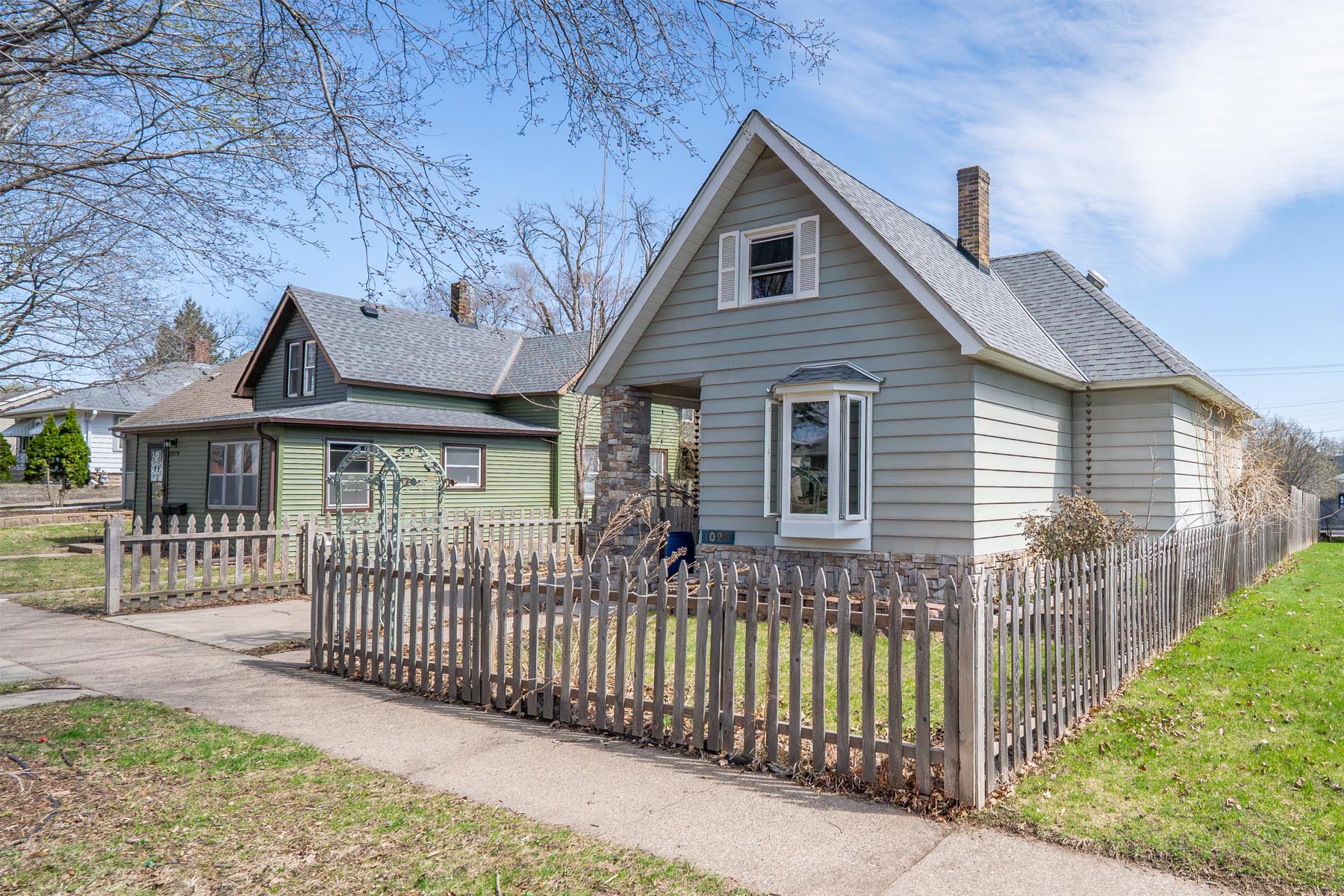
This home is located at 1028 Livingston Ave West St. Paul MN 55118.
Click below to view full photos, pricing, and property details.

If you’re searching for an affordable home in West St. Paul, this one stands out immediately.
1028 Livingston Ave in West St. Paul MN 55118 is priced at just $199,900. That’s rare for a move in ready home with space, updates, and a strong location.
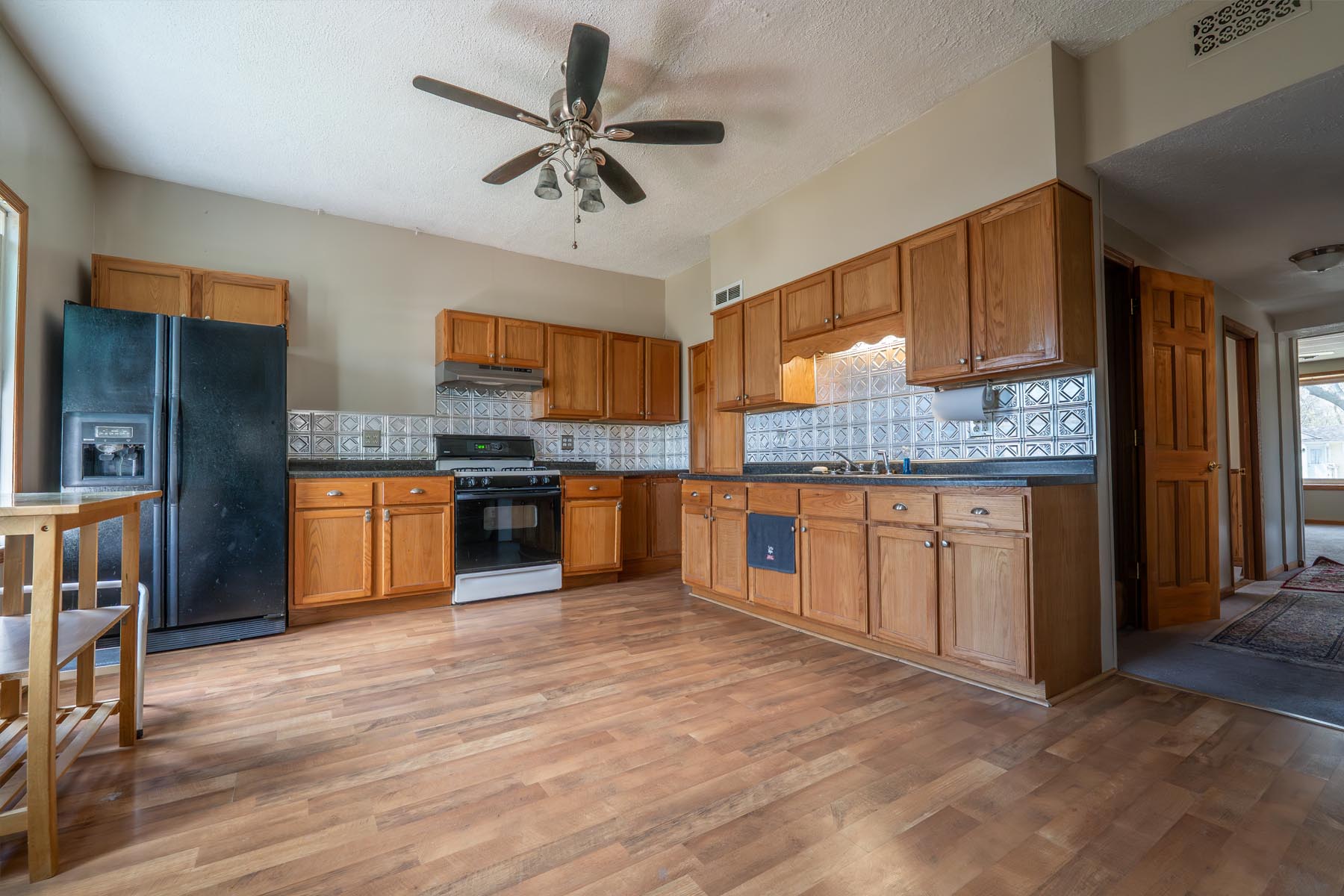
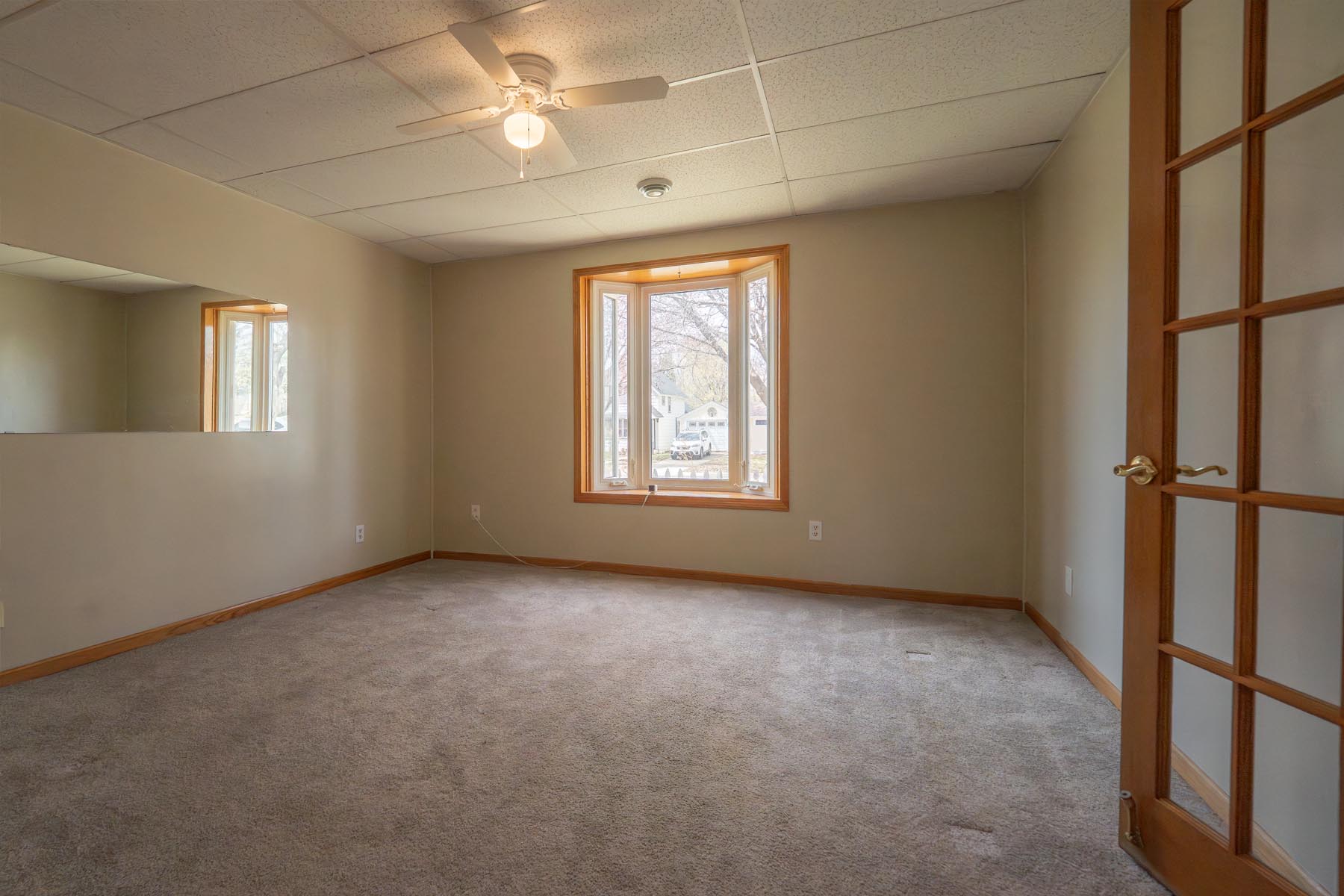
This 1.5 story home offers over 1,200 finished square feet with four bedrooms and one bathroom. You get flexibility. Bedrooms, office, guest space. You decide.
Text 1028 to 952-994-7204 to schedule a showing or get details.
Key features
• Newer vinyl windows
• Low maintenance aluminum siding
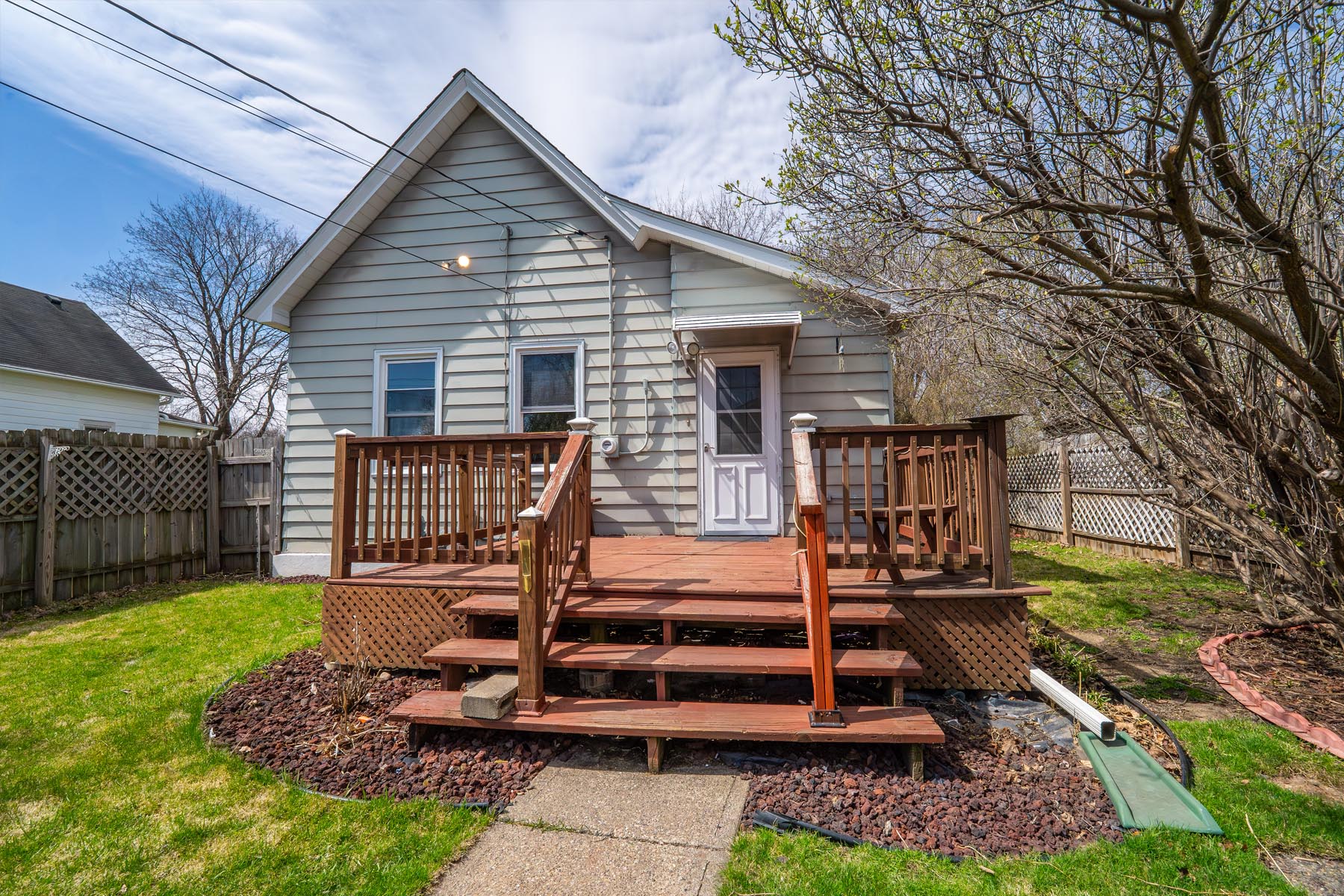
• Fenced backyard, perfect for pets or privacy
• Deck for relaxing or entertaining
• Oversized 2 car garage, hard to find at this price
Located in West St. Paul near Robert Street.
Step outside and you’re close to everything.
You’re within walking distance to local parks, plus a larger park just about a mile away with ball fields, play areas, and open space. This is the kind of location buyers want but struggle to find at this price point.
Location matters. This one delivers.
Living at 1028 Livingston Ave West St. Paul MN puts you just one block off Robert Street. That means quick access to shopping, restaurants, and daily essentials.
• Less than 5 minutes to Highway 494
• Easy access to Crosstown
• Under 10 minutes to downtown Saint Paul
If you commute, this saves you time every day.
Why this home makes sense
Homes under $200,000 in this area are extremely limited. Most buyers are competing hard for anything move in ready at this price.
This gives you a chance to:
• Own instead of rent
• Build equity
• Get into the market before prices move higher
You’re not overpaying for luxury. You’re buying smart.
If you are searching for 1028 Livingston Ave West St. Paul MN 55118, this is your opportunity to see it before it’s gone.
Text 1028 to 952-994-7204 to schedule a showing or ask questions.
If you are searching for 1028 Livingston Ave West St. Paul MN 55118, this is your opportunity to see it before it’s gone.
Text 1028 to 952-994-7204 to schedule your showing.
HOW MUCH IS MY HOME WORTH RIGHT NOW? TWIN CITIES REALITY
HOW MUCH IS MY HOME WORTH RIGHT NOW? TWIN CITIES REALITY

If you’re thinking about selling, this is the question that matters most.
How much is my home actually worth right now?
Not what Zillow says. Not what your neighbor got last year.
What it will sell for today.
Here’s the truth.
Prices in the Twin Cities are relatively flat right now. Maybe up around 2 percent. But that alone does not tell the story.
What matters is how your home shows up in this market.
Right now there are two completely different experiences.
Some homes get multiple offers in days.
Others sit for weeks with little to no activity.
The difference is condition and presentation.
Buyers want clean, move-in ready homes. Fresh paint. Well maintained. No projects.
If your home checks those boxes, buyers compete.
If it doesn’t, they move on.
Now here’s what most people don’t realize.
There is a growing trend, especially in Bloomington and lower price ranges.
Agents are intentionally underpricing homes to create bidding wars.
Then they advertise how far over asking they sold.
That is not the market going up. That is strategy.
If you price too high while others price aggressively,
you get left behind.
Here’s how I actually determine value.
I use three methods, not one.
Comparable sales within 90 days and close proximity
Active and pending listings to track direction
Advanced MLS valuation models
Then I bracket your home
One slightly better
One similar
One slightly inferior
That gives a true range. Not a guess.
And Zillow?
Zillow is not accurate. It pulls incomplete data and often shows homes not even for sale.
Using it to price your home is a mistake.
Here’s where sellers are getting it wrong
Pricing too high
Ignoring condition
Using poor photos and weak marketing
The number one thing killing showings is simple
Your home does not stand out online
Buyers decide in seconds. If your presentation is weak,
you lose before they ever walk in.
And waiting for a better market?
That is speculation.
You make decisions based on what is happening right now.
If you want top dollar, focus on what you can control
Price it right
Prepare it right
Market it right
That is how you win in this market.
If you want a real answer on what your home is worth right now in the Twin Cities,
Call or text me directly at 952-994-7204
Related Articles
How Much Down Payment Do You Really Need to Buy a Home?
How Much Down Payment Do You Really Need to Buy a Home?
Think you need 20 percent down to buy a home?
That belief is costing you years.
Most buyers wait. They keep renting. They keep saving. And they stay stuck.
You don’t need 20 percent down.
Let’s simplify this.
You can buy a home with as little as 3 percent down using a conventional loan. I’m seeing this work right now in today’s market.
So why does everyone talk about 20 percent?
Because at 20 percent down, you avoid PMI which is private mortgage insurance. It also makes your offer look stronger in competitive situations.
But here is the truth.
Your down payment should match your situation, not some outdated rule.
What I tell my buyers
First, don’t panic.
You do not need 20 percent down to buy a home.
Second, the more you put down, the stronger you look. That matters in multiple offer situations.
Third, if you are not competing with other buyers, your down payment matters a lot less. At that point it becomes about your comfort level, your monthly payment, and what you can realistically afford.
That is the real conversation.
What I am seeing right now
Most buyers are using conventional loans.
Why
Because there are strong 3 percent down options that are getting accepted.
FHA and VA loans still exist, and they can be great tools, but you need to understand how sellers view them.
FHA loans have a reputation. Sellers worry about stricter appraisals and repair requirements.
VA loans offer zero down, which is an incredible benefit if you have served. But in competitive situations, zero down offers tend to get pushed to the bottom because sellers are concerned about timelines and potential hurdles.
It is not personal. It is risk.
What you actually need saved
Here is where most buyers get it wrong.
They focus only on down payment.
You need two buckets of money.
Down payment
Closing costs
At a minimum, plan for about:
3 percent down
Plus around 3 percent for closing costs
If you can cover both, you are in a strong position.
If you can put more down, even better. It strengthens your offer and lowers your payment.
Real numbers to think about
Here is what 3 percent down looks like at different price points.
On a $300,000 home
About $9,000 down
On a $400,000 home
About $12,000 down
On a $500,000 home
About $15,000 down
Then plan for a similar amount for closing costs.
This is where most buyers have a wake up moment.
The barrier to entry is often lower than they expected.
Stop waiting
Waiting to save 20 percent can cost you years.
Years of rent
Years of missed equity
Years of watching prices change
There are smart ways to get into a home sooner without overextending yourself.
The key is having the right strategy.
In conclusion
You do not need 20 percent down.
You need a plan.
If you want to know what this looks like for your situation, text or call me at 952-994-7204. I will walk you through your options and help you figure out what makes the most sense for you.
Related Articles
Is the Housing Market Going to Crash?
Is the Housing Market Going to Crash?

If you have been watching the news lately, scrolling through social media, or just talking to friends and neighbors, you have probably heard some version of this question. Is the housing market about to collapse? Are we headed for another 2008? Should I wait to buy or sell?
I have been selling real estate in the Twin Cities for 23 years. I have seen multiple market cycles, helped clients through the worst of the 2008 crash, and I am watching this market closely every single day. Here is my honest, straight answer — and I am going to give you the context that the clickbait headlines never do.
No. The Housing Market Is Not Going to Crash. Here Is Why.
I want to be clear about something first. There are a lot of people out there with a financial interest in making you scared. Fear drives clicks. Fear drives engagement. Fear sells newsletters and gets people to tune in. But fear is not a real estate strategy and it is not based on what the data actually shows.
That does not mean the market is without challenges. It is not. But a challenging market and a crashing market are two very different things, and understanding that difference could be the most important thing you read this year if you are thinking about buying or selling a home.
What Actually Caused the 2008 Crash — And Why 2026 Is Nothing Like It
To understand why we are not headed for another crash, you have to understand what actually caused the last one. And most people do not.
If you have not seen the film The Big Short, I genuinely recommend it. It does an excellent job explaining in plain language what happened. But here is the short version.
The 2008 crash was driven largely by mortgage-backed securities — banks bundling good loans together with terrible loans and selling the whole package as a AAA investment. They knew what they were doing. The loans inside those packages were built on a foundation that was guaranteed to collapse.
Here is what was happening on the ground during that era. You could walk into a bank with almost no income verification and get approved for a loan. Not just any loan — interest only loans, partial interest loans, and adjustable rate mortgages that started at a payment you could afford and were designed to reset higher in a few years. So instead of buying a $250,000 home they could comfortably afford, people were being talked into $450,000 homes with the same starting monthly payment. When those adjustable rates reset and went up, millions of people suddenly could not afford their mortgage. And because many of them had bought with zero down, they had no equity to fall back on. They were underwater from day one. Foreclosures flooded the market and values collapsed.
That is not what today looks like. Not even close.
What Is Different Right Now
Today’s lending environment is completely different. The loose, anything-goes loan products that fueled 2008 are gone. Borrowers today have to actually qualify for what they are buying.
More importantly, American homeowners right now are sitting on significant equity. That changes everything. If you lose your job or face a hardship and absolutely have to sell, the vast majority of today’s homeowners can do so and walk away with money in their pocket. That was not true for millions of people in 2008 who were underwater from the day they closed.
For homeowners with less than 20 percent equity, private mortgage insurance — PMI — protects the lender. The entire system has been restructured around preventing the kind of catastrophic collapse we saw before.
None of this means the market is easy or that everyone is comfortable. Interest rates have made affordability harder. Uncertainty in the broader economy has made buyers cautious. But caution is not a crash.
What I Am Actually Seeing Right Now in the Twin Cities
Here is where the national conversation completely misses the local reality — and this is what matters most if you are buying or selling in Lakeville, Bloomington, or anywhere in the Twin Cities metro.
The market right now is not one market. It is two very different experiences happening at the same time.
On one hand I am watching certain homes receive ten offers within days of listing. On the other hand I am watching similar homes sit with no activity for weeks. The difference has almost nothing to do with price and everything to do with condition and presentation.
Buyers right now — across every price point — want a home that is move-in ready and completely updated. They will happily pay more for a home that is clean, current, and requires nothing. They will avoid a home that needs work even if it is priced lower. That is the defining characteristic of this market and it is critical information whether you are buying or selling.
In Bloomington the market has been notably active because of the price point. You can get into a home in Bloomington for around $300,000 or more, which opens the door to a much larger pool of first time buyers. That demand is real and consistent.
In Lakeville you are looking at a mid-tier market where $400,000 or more is the starting point for a solid home. But Lakeville commands strong dollar per square foot values because the housing stock is newer and there is significant new construction activity. Buyers in Lakeville are paying for quality and they know it.
Across the Twin Cities broadly the pattern is consistent — whether you are in northeast Minneapolis, Richfield, Rosemount, or Burnsville. Move-in ready homes with strong presentations are getting competed for aggressively. Homes that need updating, have weak photos, or are overpriced are sitting regardless of neighborhood. And if you do not have a strong offer and a solid down payment, competing in the active segments of this market is genuinely difficult right now.
So What Should You Actually Do?
If you are sitting on the sidelines waiting for a crash that is not coming, you are likely watching your opportunity get more expensive every month. Values in the Twin Cities are not collapsing. They are adjusting in some segments and holding or growing in others.
If you are a homeowner worried about your equity, the data says you are in a far stronger position than the headlines suggest. Your equity is real and it is protecting you in a way that 2008 homeowners simply did not have.
If you are thinking about selling, the most important thing you can do right now is not wait for a better market. It is to position your home correctly — price it right, prepare it properly, and market it in a way that reaches the buyers who are actively looking. That is exactly where the difference between sitting and selling is made in this market.
Have Questions About What This Market Means for You?
Whether you are buying or selling in Lakeville, Bloomington, or anywhere in the Twin Cities, I am happy to give you a straight, honest read on what your specific situation looks like right now.
No pressure. No pitch. Just real information from someone who has been doing this for 23 years and has seen this market from every angle.
Call or text Tom Sommers directly: 952-994-7204
Tom Sommers | Coldwell Banker Realty | Serving Lakeville, Bloomington, and the Twin Cities Metro Area
Related Articles
What Happens During a Home Inspection?
What Happens During a Home Inspection?

If you are buying or selling a home in Lakeville, Bloomington, or anywhere in the Twin Cities metro area, the home inspection is one of the most important steps in the entire process. I have been doing this for 23 years and I can tell you that what happens during and after an inspection can make or break a deal — and in some cases, save a buyer from a very expensive mistake.
Let me walk you through exactly what to expect, and share a few things I have learned along the way that most agents will never tell you.
What Is a Home Inspection?
A home inspection is a visual examination of a property’s condition performed by a licensed inspector. It is not a pass or fail test. It is an honest look at the current state of the home — what is working, what is not, and what could become a problem down the road.
In Minnesota, home inspectors are licensed by the state and must follow established standards of practice. A thorough inspector will walk you through their findings in plain language and give you a written report with photos, usually within 24 hours.
Who Orders It and When?
In most cases the buyer orders and pays for the inspection. It typically happens within a few days of an accepted purchase agreement, during what is called the inspection contingency period. In the Twin Cities market that window is usually five to ten days depending on how the contract is written.
Sellers can also choose to order a pre-listing inspection before putting their home on the market. This can be a smart move because it lets you find and fix issues before buyers discover them — which puts you in a much stronger negotiating position.
What Does an Inspector Actually Look At?
A licensed inspector examines the home from top to bottom. Here is what is typically covered:
Roof — Shingles, flashing, gutters, and visible signs of wear or damage.
Foundation and Structure — Cracks, settling, moisture intrusion, and overall structural integrity.
Electrical System — Panel condition, wiring, outlets, and basic safety.
Plumbing — Water pressure, visible pipes, water heater condition, and signs of leaks.
Heating and Cooling — Furnace and air conditioner age, condition, and basic function.
Insulation and Ventilation — Attic insulation and ventilation, which matter a great deal in Minnesota winters.
Windows and Doors — Operation, sealing, and signs of moisture between panes.
Basement and Crawl Space — Moisture, mold, structural concerns, and sump pump condition.
Garage — Door operation, fire separation, electrical, and structure.
Interior — Ceilings, walls, floors, stairs, and visible signs of water damage or deferred maintenance.
Plan on two to four hours depending on the size of the home. Buyers — show up for at least the last hour so the inspector can walk you through the findings in person. This is not optional in my opinion. More on that in a moment.
A Story That Has Stayed With Me
Early in my career I had buyers fall in love with a three level split — clean, well cared for, showed beautifully. Everything looked great on the surface. But the inspector noticed something that most people would have completely missed.
The backyard had been filled in improperly and the grading around the foundation was wrong. According to the inspector the home should have been built up two more courses to account for the slope of the yard. Because it wasn’t, water was being directed toward the foundation instead of away from it. There was already minor water intrusion in the basement — very slight, easy to dismiss — but the inspector was clear: without major regrading, possibly bringing in a bobcat to reshape the yard, this problem was going to get worse over time.
My buyers had no idea. The sellers may not have fully understood it either. But because we had an inspector who truly understood the building process, my clients were able to make an informed decision about whether this was a home they still wanted to buy and under what terms.
That is exactly what a good inspector is supposed to do. And that is exactly why who you hire matters enormously.
The Biggest Mistake I See Buyers Make
Uncle Bob.
I say this with respect because I know Uncle Bob means well. Maybe he spent 20 years in construction. Maybe he built his own garage. But here is the reality — a licensed home inspector who is active in this market is doing 500 or more inspections per year. That is a level of pattern recognition and experience that is very hard to match.
Uncle Bob has seen a lot of homes. A great inspector has seen thousands, and they know exactly what to look for in Minnesota homes specifically — frost heave, ice damming, inadequate ventilation, improper grading, aging mechanicals. Do not skip a professional inspection to save a few hundred dollars on a transaction that involves hundreds of thousands.
How I Help My Clients Choose the Right Inspector
This is something I do differently than most agents and I think it matters.
When I am working with a buyer I give them a list of five or more credible, licensed inspectors in the Minneapolis Saint Paul metro area. Along with that list I give them a set of questions to ask when they call. Then I tell them to actually make the calls.
Call each one. Have a real conversation. Ask them about their experience with the type of home you are buying — older construction, new builds, split levels, condos. Ask how they deliver their report. Ask if they encourage buyers to be present. Pay attention to how they communicate and whether they make you feel informed or overwhelmed.
The inspector you hire should be someone you feel genuinely comfortable with — because when that report comes back you are going to have questions, and you need someone who will give you straight answers.
It takes an hour of your time to make those calls. It is absolutely worth it.
What Happens After the Inspection?
The inspector delivers a written report, usually within 24 hours, documenting everything they found with photos. These reports can range from a few pages to 50 or more depending on the home’s age and condition.
Here is where buyers and sellers both tend to get tripped up. Every inspection report has a list of items. Every single one — including brand new construction. The goal is not a perfect report. The goal is understanding what is significant versus what is routine maintenance.
There are generally three categories of findings:
Safety issues — The most important. Faulty electrical panels, carbon monoxide concerns, compromised foundations. These need to be addressed, period.
Functional issues — Things that are not working as they should. A broken window, a failing water heater, an HVAC system at the end of its life.
Maintenance items — Normal wear and tear. Caulking, dirty filters, minor grading issues. These are informational and typically not negotiation items.
As your agent my job is to help you read that report clearly and figure out what to do next.
Can You Negotiate After an Inspection?
Yes. In Minnesota buyers have the right to negotiate repairs, a price reduction, or a seller credit based on inspection findings — as long as it falls within the inspection contingency period.
Sellers are not required to fix everything. But significant findings open the door to real conversation. Knowing what to ask for, how to ask for it, and when to stand firm versus when to walk away is something that comes from doing this for a long time. I have been navigating inspection negotiations in this market for 23 years and my job is to protect your interests on both sides of the table.
What a Home Inspection Is NOT
It is not an appraisal. It does not determine market value.
It is not a code compliance inspection. Inspectors flag safety concerns but they do not certify that a home meets current building code.
It is also not a guarantee. Inspectors can only report on what is visible and accessible on the day of the inspection.
If the report surfaces something specific — signs of past water intrusion, an aging roof, anything structural — it may be worth bringing in a specialist for a second opinion before you make your final decision. I will always tell you when I think that is the right move.
Have Questions About the Inspection Process?
Whether you are buying or selling in Lakeville, Bloomington, or anywhere in the Twin Cities South Metro, I am happy to walk you through what to expect and how to handle whatever comes up.
Text or call Tom Sommers directly: 952-994-7204
No pressure. No obligation. Just honest advice from someone who has been doing this for a long time and genuinely wants to help you make the right move.
Related Articles
- What Repairs Should I Make Before Selling My Home
- Should I Buy a Home First or Sell My House First
- The Truth About Multiple Offers in the Twin Cities
Tom Sommers | Coldwell Banker Realty | Serving Lakeville, Bloomington, and the Twin Cities Metro Area
What Are Closing Costs When Selling a House?
What Are Closing Costs When Selling a House?

If you are selling your home, you want one clear number.
What will you walk away with at closing?
Seller closing costs are lower than buyer costs. But you still need to know what is included.
Here are the typical seller closing costs:
- Title and closing fee around $700
- County fees around $92
- State deed tax about 0.34 percent of the sale price
- HOA related fees if you are in a townhome or association
These costs are straightforward and easy to estimate.
Now let’s talk about commission.
Commission is not technically a closing cost. It is part of the real estate transaction. It is also one of the largest expenses and it directly affects your bottom line.
Here is what matters:
- Commission is negotiable
- It is agreed upon between you and your agent
- It is fully disclosed upfront
- It is included in your net sheet
When I meet with sellers, I include commission in the net sheet so you see your true bottom line. There is no guesswork.
The net sheet shows:
- Sale price
- Mortgage payoff
- Closing costs
- Commission
- Estimated proceeds
In most cases, I am within about $1,000 of the final number.
You also need to be aware of title work.
Sometimes a lien or judgment shows up. This could be a credit card or past debt. The title company finds this early so we can resolve it before closing. In many cases, we can negotiate these liens and still move forward with the sale.
Property taxes and insurance can adjust your final number depending on timing. Those are the only variables.
The key is simple.
When everything is laid out upfront, there are no surprises. You know exactly where you stand before your home even hits the market.
If you are thinking about selling and want a detailed net sheet that shows exactly what you will walk away with, call or text 952-994-7204.
